
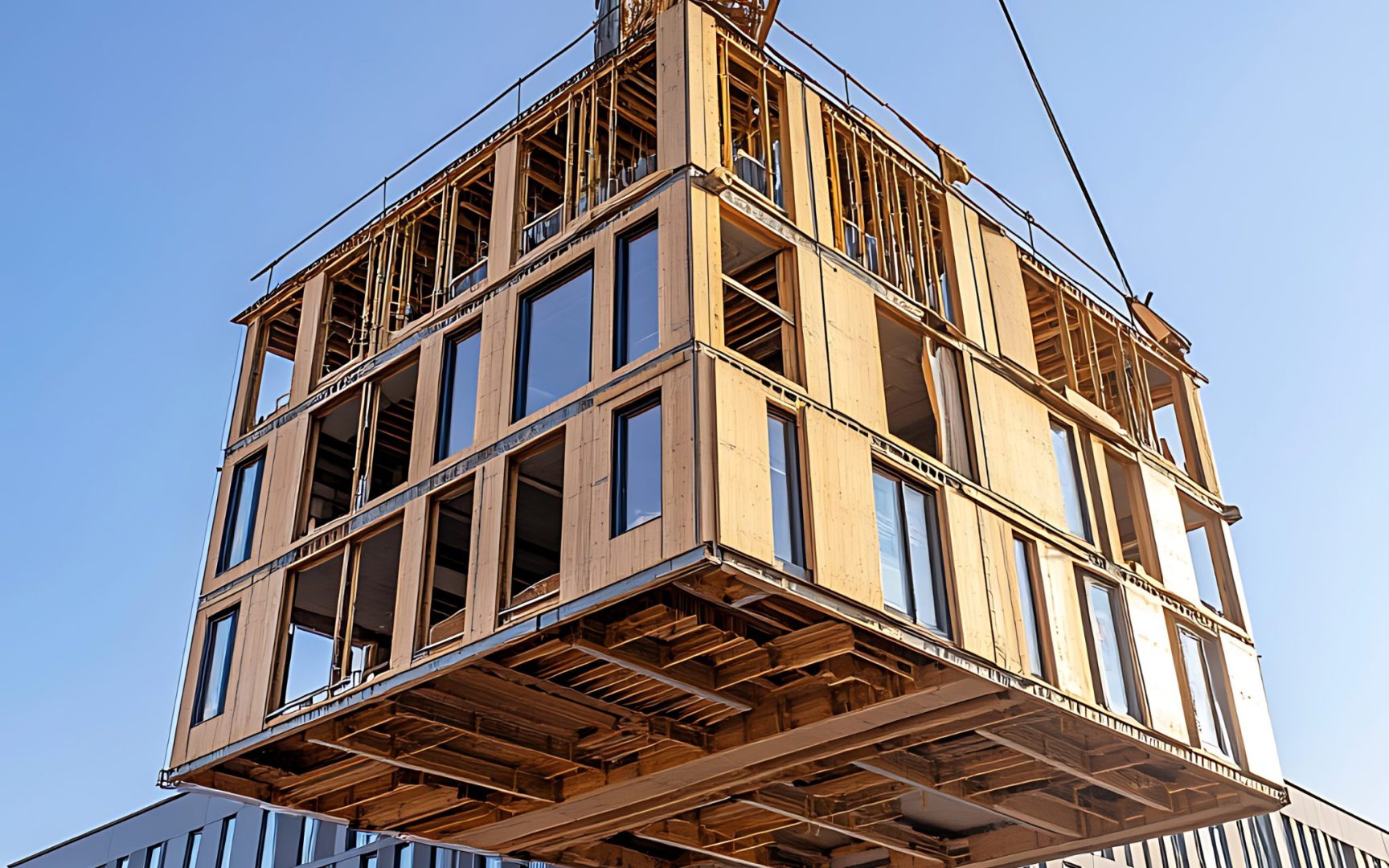
Traditional brick-and-mortar construction has long been synonymous with extended timelines, cost overruns, and weather-related delays. In today’s high-demand urban markets, developers are increasingly turning to modular EPC construction—a faster, more controlled approach that delivers certainty without compromising structural integrity or design quality.
Parallel Processing: Building While the Site Is Prepared
One of the greatest advantages of modular condos is parallel processing. While foundations and utilities are being prepared on-site, residential modules are simultaneously manufactured in climate-controlled facilities. This overlap eliminates months of idle time, dramatically accelerating project delivery and enabling developers to bring revenue-generating assets to market sooner.
Cost Certainty Through Controlled Manufacturing
Modular EPC construction minimizes exposure to common cost drivers such as material wastage, labor volatility, and weather disruptions. Factory precision allows for tighter tolerances, predictable material usage, and consistent quality—translating into clearer budgets, fewer change orders, and stronger ROI projections for developers and investors alike.
Conclusion
Modular construction is no longer limited to small residential units. Today, it is powering 20-story urban landmarks, redefining how high-density housing is designed and delivered. With advanced structural systems and EPC oversight, modular condos offer speed, safety, and scalability for the cities of tomorrow.